

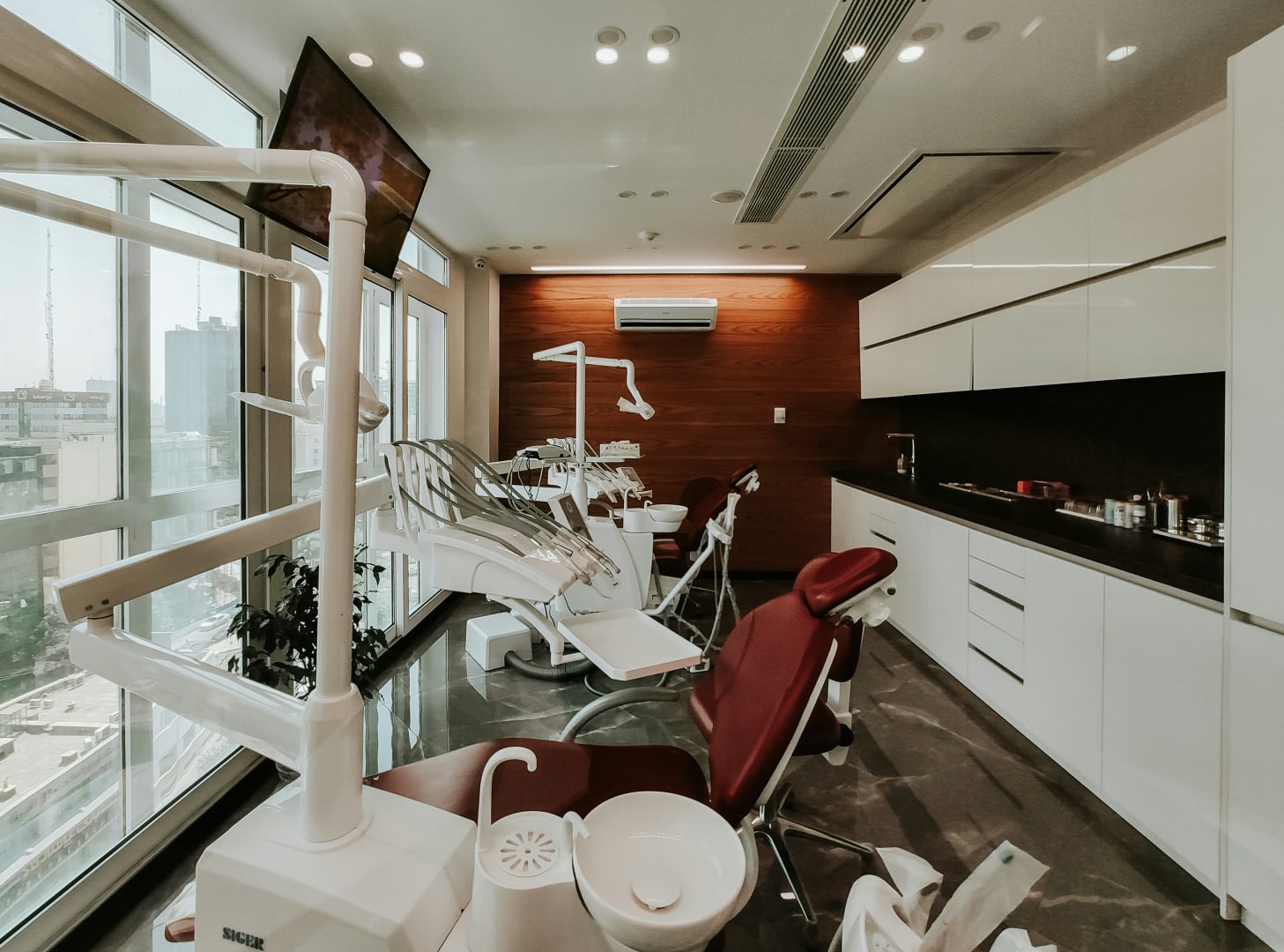
Medical office space is distinctly different from traditional offices. These properties have been uniquely designed and often subdivided to accommodate a range of healthcare uses.
Medical office space has historically been on or near hospital campuses, given the referral patterns between physicians and affiliated hospitals. However, as more patients seek convenient care closer to home, medical offices are more prevalent in suburban and rural areas.
Ownership of medical office space can take many forms. First, there are opportunities for individual owners to buy MOB buildings, which often happens when physicians elect to own real estate and then operate their practice from that facility. There are increasingly significant national buyers, like real estate investment trusts, who have added medical offices to their portfolios to greater diversification.
There are many factors driving demand for medical office space. These include:
- An Aging Population: More than 10,000 Baby Boomers turn 65 each day by some estimates. While someone in their 20s sees a doctor maybe once or twice a year (or less), the average person aged 65 and above sees a doctor at least eight times per year. As the Baby Boomer generation ages, their need for health care will continue to increase, increasing the burden on the nation’s already constrained healthcare infrastructure.
- More Medical Specialties: As healthcare, research and technology become more advanced, people will begin to seek out more specialized medical care. This will lead to new medical groups, specialty physician practices, and other up-and-coming health care providers. Each of these will demand medical office space.
- Growth of “MedTail”: There is increasing demand for “MedTail” space, a combination of medical office and retail space. In some cases, MedTail tenants are traditional medical providers with a small retail storefront to sell ancillary products to diversify their revenue streams (think: MedSpas). Another example of “MedTail” is when traditional medical office users, like dental offices or primary care doctors, opt to co-locate alongside retailers as part of a larger mixed-use development project. With more patients seeking convenient care closer to home, medical office tenants will consider these non-traditional retail settings as viable alternatives to standalone, suburban medical office properties to provide greater patient access and increase clinic visibility.
- Fundamental Strength of Healthcare Industry: As noted above, the health care sector is one of the nation’s fastest-growing industries. While technology may increase the prevalence of telemedicine, at least to some degree (and to what degree remains to be seen), most industry experts feel confident that we will need medical office buildings well into the future. Health care represents a growing share of the nation’s GDP, and as more federal funding goes towards research and health care services, overall demand for in-person care will continue to increase. Already, there is a supply and demand imbalance for medical office space. The industry’s strong underlying fundamentals will only exacerbate the need for more MOB space beyond what is available today.
Are you a health care professional looking for medical space? Ready to start investing in medical offices, add diversity to your portfolio, and earn passive income from the MOB market? Learn how Commercial Group of Tampa Bay can help you. Please call Brian at (813) 928-0255.
Medical – Dental – Pharmacy – Therapy – Veterinary – Vision Care – Audiology - Fitness